Sun Power: What's Solar Used For?
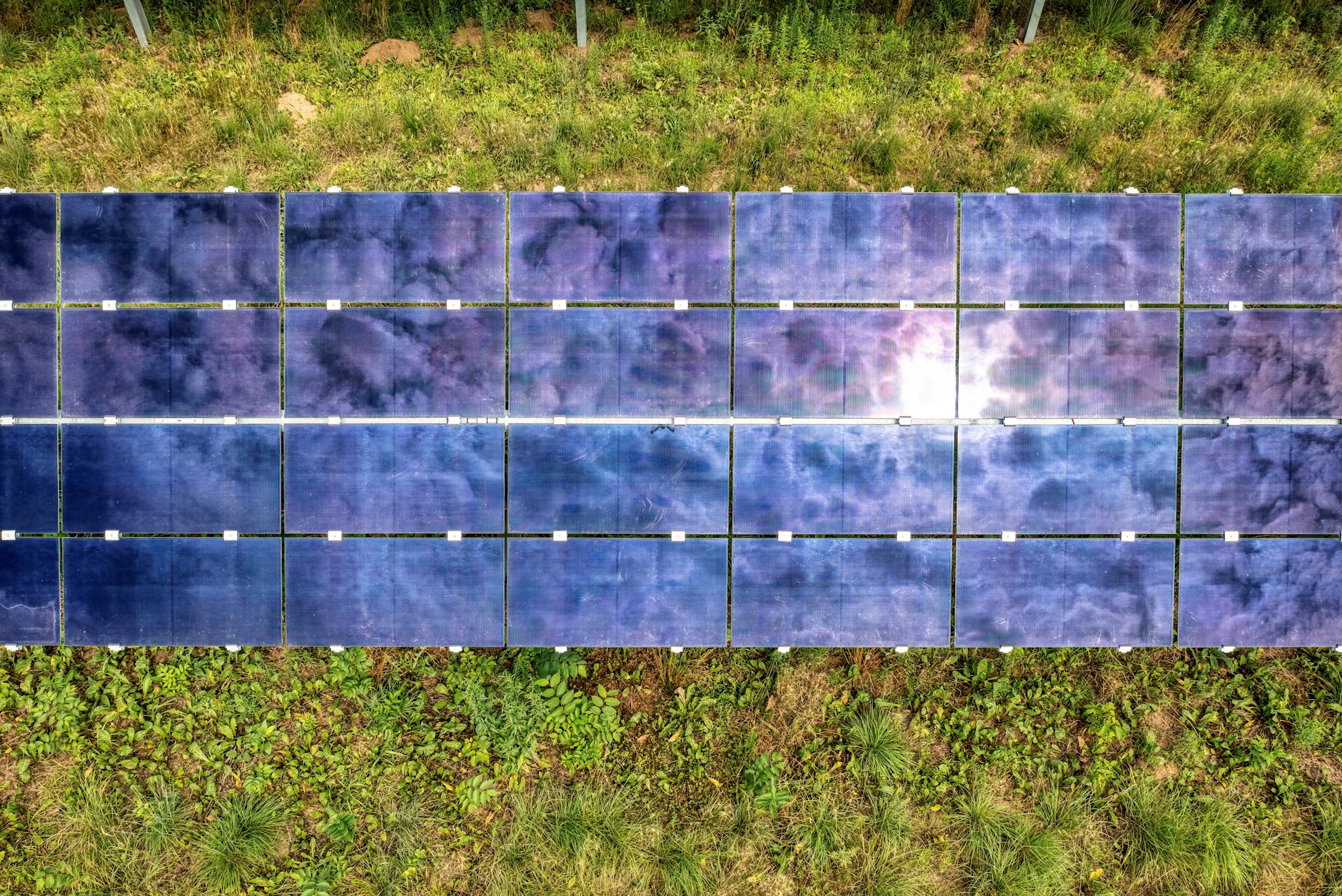
The sun has been shining over our planet for billions of years, providing light and warmth essential for life. With advancements in technology, we have begun to tap into this vast renewable energy source to power our modern world. Solar energy, which comes from the sun, is harnessed to meet various energy needs, including electricity, heating, and numerous other sustainable applications. In this comprehensive guide, we will explore how solar power is utilized across different sectors and the benefits it brings.
Generating Electricity with Photovoltaics
One of the most common uses of solar energy is generating electricity using photovoltaic (PV) cells. PV cells convert sunlight directly into electricity. These panels comprise many cells and are often installed on roofs or large outdoor areas to capture the sun's rays.
Residential Solar Panels
Residential homes often use solar panels to reduce reliance on grid power and lower electricity bills. These systems can be off-grid with battery storage or grid-tied, allowing homeowners to sell excess electricity back to the grid.
Commercial and Utility-Scale Solar
Businesses and utility companies use large-scale solar installations to provide electricity to a vast number of consumers. Commercial solar projects might involve covering office rooftops or parking lot canopies, while utility-scale solar farms cover acres of land.
Portable Solar and Solar-Powered Devices
Portable solar panels and chargers are used in various applications, from powering devices for camping trips to providing emergency power during outages. Moreover, solar technology is found in everyday products like watches, calculators, and streetlights.
Solar Heating Systems
Beyond electricity, solar energy is also used for heating homes and water through solar thermal technology.
Solar Water Heaters
These devices use the sun's energy to heat water, which is then stored in a hot water tank. They can significantly reduce the cost of water heating and are popular in residential and commercial settings.
Solar Space Heaters
Solar space heaters use solar energy to warm the air inside a building. They can be passive systems that maximize the natural sunlight entering through windows or active systems with solar collectors to heat air or liquids that are then distributed throughout the building.
Concentrated Solar Power (CSP)
CSP plants use mirrors or lenses to concentrate a large area of sunlight into a small beam that heats fluids to create steam. This steam drives turbines to generate electricity, similar to traditional power plants but using the sun as the heat source rather than fossil fuels.
Sustainable Solar Applications
The versatility of solar energy extends beyond heat and electricity, leading to numerous other sustainable applications.
Solar Cooking
Solar cookers use sunlight to cook food, which is ideal for camping or in areas with limited access to traditional energy sources.
Solar Desalination
This process uses solar heat to evaporate seawater, leaving salt and impurities behind, and then condenses the vapor to obtain clean water.
Solar-Powered Transportation
Solar panels are being implemented in various forms of transportation, like solar-powered cars and boats, significantly reducing the dependency on fossil fuels.
Agricultural Uses
Solar energy powers irrigation systems, helping in water conservation. Solar greenhouses can grow plants year-round while minimizing the need for additional heating.
Conclusion
Solar energy is a clean, renewable resource with the potential to meet many of our energy demands. As technology continues to advance, we can anticipate even more innovative and efficient ways to harness the power of the sun. Whether for electricity, heating, or creative sustainable solutions, solar power remains an important key to a greener future, and understanding its applications is the first step towards a more sustainable lifestyle and a healthier planet.